
Understanding the history of Google’s algorithm is like reading the history of the modern internet. Over the years, Google has rolled out various updates to refine its search results, ensuring users get the most relevant, high-quality, and accessible information possible.
Here are five significant updates that fundamentally changed how we approach SEO and content strategy.
- Big Daddy (2005)
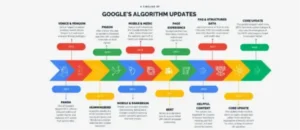
“Big Daddy” was a major infrastructure update to Google’s crawl and index architecture. Unlike content-specific updates, this one focused on the backend. It changed how Google handled canonicalisation and URL redirection, which helped the search engine index pages more efficiently and improved the accuracy of its search results. It taught SEOs that technical infrastructure is just as important as content.
- Quality Updates (Often associated with Panda)
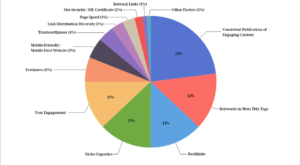
Google’s relentless focus on “quality updates” (most notably the Panda update) changed the game for content creators. These updates were designed to lower the ranking of sites with thin, low-quality, or duplicate content. The takeaway was clear: stop “keyword stuffing” and focus on creating unique, valuable, and trustworthy content for your readers.
- Freshness Algorithm (2011)
Searchers often want new information on current events or fast-moving topics. The “Freshness” algorithm was introduced to promote new, relatively fresh content for queries where recency matters. This made it crucial for brands to keep a consistent content calendar, instead of just publishing evergreen articles and letting them rot.
- Page Layout Algorithm (2012)
Have you ever visited a website where you had to scroll past a mountain of ads to see the content? Google’s “Page Layout Algorithm” (known as “Top Heavy”) was created to punish sites that have too many ads above the fold. This update prioritised the user experience (UX) and ensured that visitors could easily access the actual content they were looking for upon landing on a page.
- Mobilegeddon (2015)
The most well-known update on this list, “Mobilegeddon”, highlighted the change to a mobile-first world. Google announced that it would begin using mobile-friendliness as a significant ranking factor. Websites that weren’t optimised for smartphones and tablets lost ranking. This required the whole web to be made responsive to cater for the growing number of users on mobile devices.
Final Thoughts
Looking back at these optimised ones, one theme stands out: Google’s consistent goal is to prioritise the user. Whether it is technical infrastructure, content quality, or mobile accessibility, the best long-term SEO strategy is simply to build a great website that serves your audience well.